
A Hundred Megawatts on Bell McKinnon Road
BC's first utility-scale battery
On July 20th, 2026, the Province of British Columbia and BC Hydro announced they're advancing British Columbia's first utility-scale battery energy storage project, and the preferred site happens to be right in our backyard. They've selected a location right beside the Vancouver Island Terminal Substation on Bell McKinnon Road, just north of Duncan. Adrian Dix, the Minister of Energy and Climate Solutions, made the announcement at the substation itself, with the mayors of North Cowichan and Duncan there for it as well.
Debra Toporowski, the MLA for Cowichan Valley, put the local reaction on the record: "I'm thrilled that BC Hydro has selected the Cowichan Valley as the site for its very first battery energy storage system. It recognizes the exciting growth and opportunity that we're seeing in our region."
The facility is to deliver at least 100 megawatts, and Hydro is targeting to have it in service by 2030. The "at least" means that the procurement process itself will likely include some level of design refinement that will determine the final capacity.
BC Hydro actually claimed Canada's very first grid battery deployment back in 2013 but this one will be the first one in BC to be "utility-scale".
Megawatts are a rate...
As a reminder for those of us who aren't electricians, a megawatt is a measure of power, which is how much electricity can move at a single instant. It's a bit like the size of a water pipe, or the service rating on your electrical panel. A 200 amp service tells you how much can flow into the house at any given moment, but it doesn't tell you how much the house actually draws over time. That second part of the equation is energy, and it's measured in megawatt-hours - you can think of that as the size of your hot water tank.
In this case we know the size of the pipe (at least 100 MW, so that's a big pipe), but so far we haven't seen any mention of the storage capacity of the battery (the tank size, in MWh) - that's the number that will tell us how many hours the battery can run, and that should be published in due course.
What does it do?
A grid battery is designed for speed and flexibility. Hydro's own description explains that battery storage "can respond within seconds to changing system conditions, helping support reliability during periods of peak demand and making more effective use of the existing electricity system."
Basically, the battery charges from the grid during periods of low demand, and can then push that 100 MW of power into the grid when demand spikes or other issues arise. This isn't so much a battery backup for the valley as it is a stabilizing force for the Island's grid.
Why now?
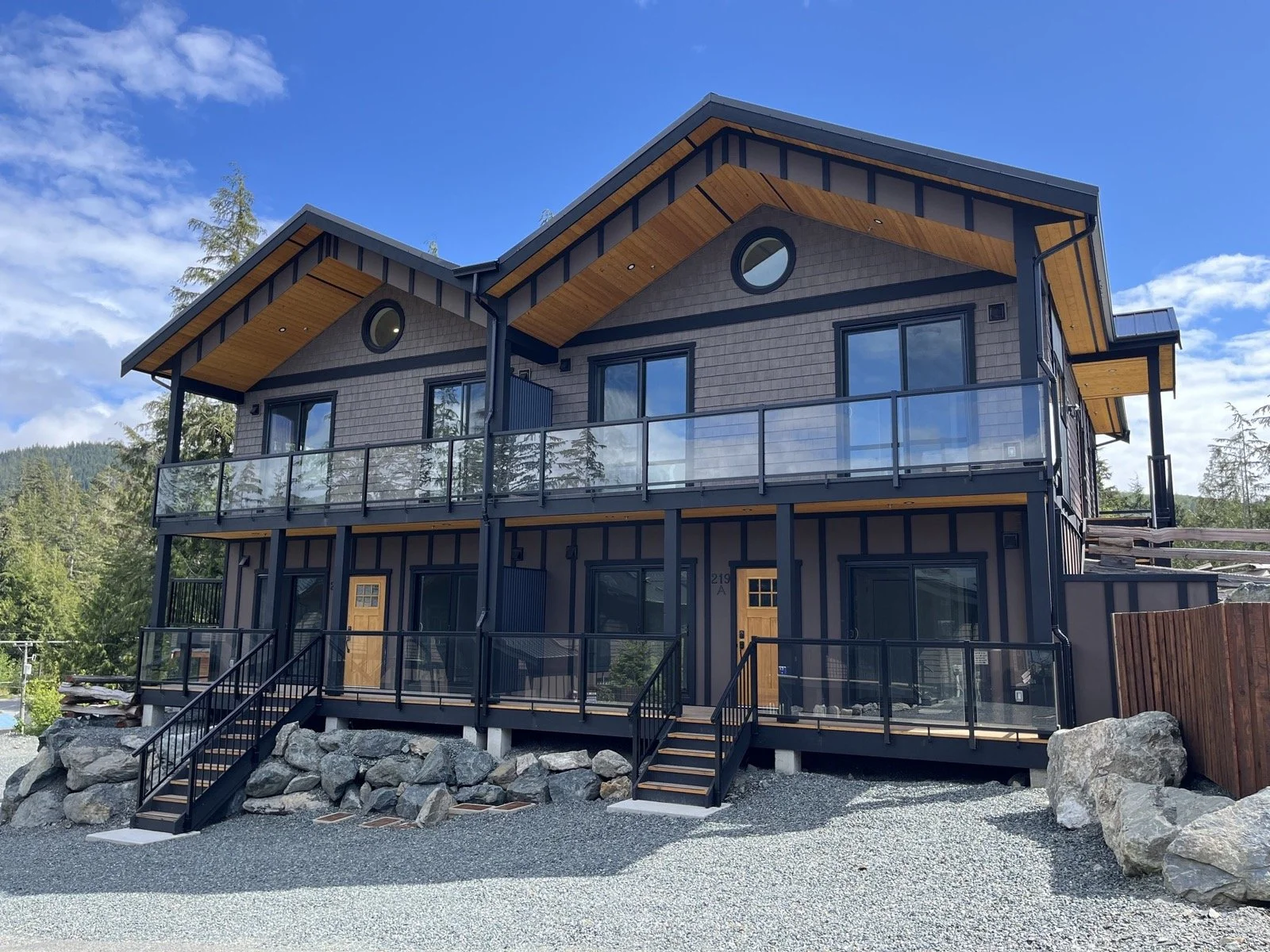
Hydro is pretty direct about the reason, commenting that Vancouver Island "continues to experience population growth, housing development, economic investment and increasing electrification, all of which are driving higher demand for electricity."
The project is framed as a milestone in its Powering Growth plan - that is the BC Hydro strategy for meeting rising demand through conservation, by getting more out of existing assets, and by investing in new generation, transmission and storage. Hydro has identified as much as 500 megawatts of potential battery storage across the province, and this valley is where that starts.
The battery isn't the only investment pointed this way, either. Remember that in July 2024 the Province announced that BC Hydro would build more than $3 billion in capital projects on Vancouver Island over the following decade. That's a different investment programme from the battery, but the same underlying factors support both projects.
We like the efficiency of their choice - Hydro points out that the location lets the project tie into the existing electricity system efficiently while keeping development impacts down, which is the kind of reason that survives a budget review.
Why here? And what does it mean for you?
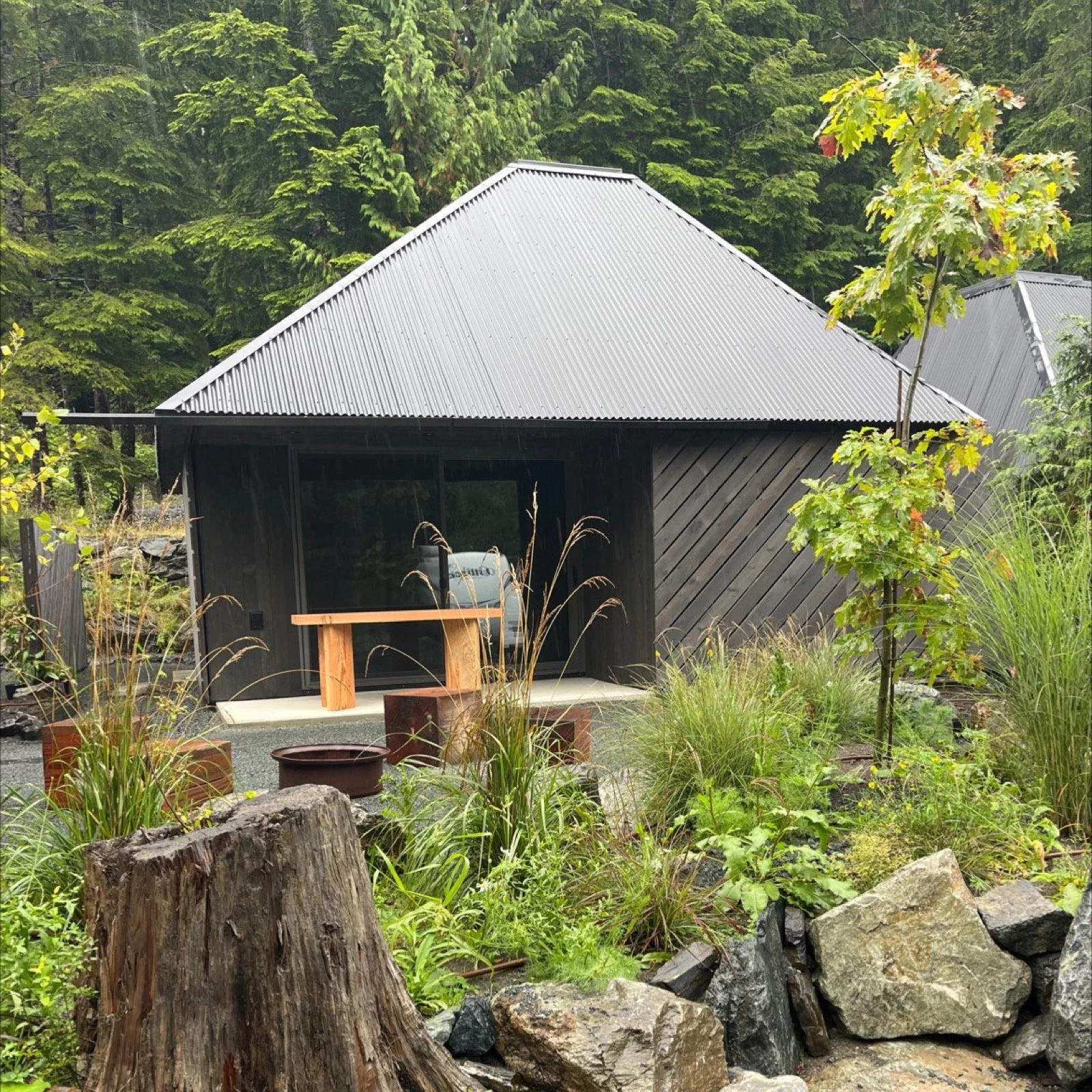
Not much changes on the ground today, but there will be real work in this project for Island trades. Hydro expects to own and operate the battery itself, but they'll be bringing in private-sector expertise for the design, construction and possibly even the long-term maintenance. It's hard to make any predictions about the short or long-term scale of the economic benefits that could come from a project like this, but the fact that the Valley continues to be the focus of these kinds of investments bodes well for the local economy in years to come.
It's also encouraging that Hydro said it would issue a request for supplier qualifications on July 30th, 2026, with a request for proposals following later on in the year; that sounds like a project with a bit of momentum, and since it's on land that they already control it's (hopefully!) less likely to stumble out of the gates.
All of this supply-side infrastructure expansion and upgrading means that our own view of the Valley as an attractive, growing, and dynamic part of the Island is shared by senior decision-makers throughout the Province.
An announcement like this is also a good reminder to spare a thought for the demand-side - the part that we can control - and consider what your house asks of the network in the first place. Insulation levels, airtightness and ventilation strategies are among the factors that determine how much grid your house needs, and all of that gets baked into your project long before anyone starts shopping for heat pumps or EnerGuide appliances. We've spent more than twenty years building on this Island, and the homes that ride out a cold snap or a heat wave without leaning hard on the grid are the ones where those decisions were made early, and thoughtfully.
If you are reading this because you are considering building a new home or undertaking a major renovation here in the Valley, then feel free to reach out. We provide consultation and design assist services alongside our full custom-home builds and renovation projects, and if you are considering leaning toward a higher performance building standard (like Passivhaus), we have the experience, training and certification to support you with that too.
You can reach the team through our contact page.